
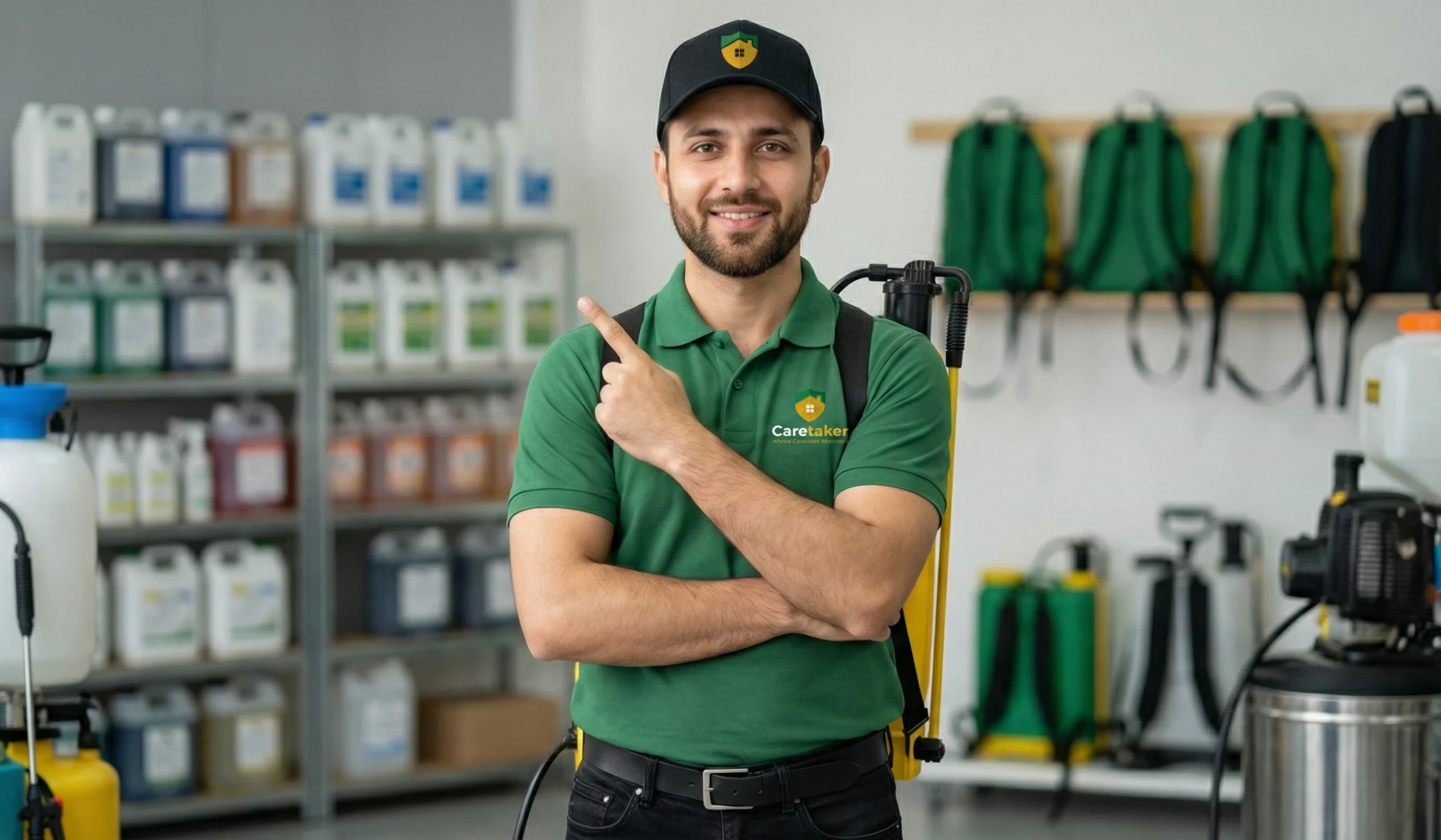
Dealing with pests can be a real headache. Whether it’s ants in the kitchen, bed bugs in the bedroom, or roaches scurrying across the floors, these unwanted guests can disrupt our peace of mind and pose potential health risks. But What To Do After Pest Control Sprays?
After pest control sprays, remember to wait for the recommended time, clean your home, and ensure proper ventilation. Wash bedding, utensils, and linens, and dispose of waste carefully. Keep an eye out for lingering pests, prevent future infestations, and consider natural remedies. If you have questions, consult with pest control experts. Your pest-free home is just a few steps away!
Here In this comprehensive guide, we’ll walk you through the steps you need to take once the professionals have done their job. From proper cleaning techniques to monitoring for any lingering pests. So sit back and relax as we delve into everything you need to know about what to do after pest control sprays. Let’s master the art of pest control together!
What To Do After Pest Control Sprays-Mastering Pest Control
Wait For The Recommended Time
Once the pest control professionals have sprayed your home, it’s vital to be patient and allow the recommended time for the sprays to work. Pest control professionals will provide you with a specific timeframe during which you should avoid entering the treated areas.
The recommended waiting period typically ranges from a few hours to several days, depending on the type of spray used and the severity of infestation. During this time, it’s best to avoid touching any treated surfaces or coming into contact with any residue left behind by the spray. This will ensure that you don’t interfere with its effectiveness.
Post-Treatment Cleaning
Once the recommended time has passed, it’s time to clean your home. Start by wiping down countertops, floors, and any other surfaces that may have come into contact with the pest control spray. Use a mild detergent to clean these surfaces thoroughly. This step will help remove any residual chemicals and prevent any health risks.
Start by vacuuming the treated areas, focusing on carpets, rugs, and upholstery. This will help remove any dead pests or eggs that may still be present. Be sure to empty the vacuum cleaner bag immediately after use.
Proper Ventilation
Pest infestations can be a source of stress and concern, but with the help of professional pest control services, you can take back your home. After a pest control treatment, it is essential to ensure proper ventilation in your home. Open all windows and doors to allow fresh air to circulate throughout the house. This will help dissipate any residual odors from the chemicals used during the treatment.
Good airflow also helps in drying out treated surfaces, preventing moisture buildup that can attract pests. Additionally, adequate ventilation aids in minimizing any potential respiratory irritation that may arise from pesticide application.
To maximize ventilation, use fans or turn on ceiling fans if available. Fans help improve air circulation and speed up the process of eliminating any lingering chemical smells or fumes.
Wash Bedding And Linens
Washing bedding and linens is an very important step to take after pest control sprays have been applied in your home. These fabrics can harbor pests or pesticide residues, so it’s important to thoroughly clean them.
Start by removing all bedding, including sheets, pillowcases, blankets, and comforters. Place them directly into the washing machine. I personally recomend you It’s best to Use hot water to wash your bedding,. This will help eliminate any chemicals that may have settled on these items.
Clean Utensils And Kitchen Items
In the kitchen, make sure to clean all utensils, dishes, and cookware that may have been exposed to the pest control spray. Use warm, soapy water to wash them thoroughly. Pay special attention to items that were left out during the treatment.
Start by removing all dishes, utensils, and cookware from cabinets and drawers. Wash them with hot soapy water or run them through a dishwasher cycle on high heat. This will help eliminate any potential residue left behind by the pests or the spray.
Don’t forget about smaller items such as cutting boards, can openers, and even sponges. These are often overlooked but can harbor pests or their eggs if not properly cleaned.
Dispose Of Waste Properly
Proper disposal of waste materials after a pest control treatment is a critical step to ensure the safety of your household and the environment. Pest control sprays may leave behind residues that, if not handled correctly, could pose health risks or harm to local ecosystems.
To dispose of waste properly, start by sealing any materials that have come into contact with pest control chemicals, such as used tissues, paper towels, or cleaning cloths, in a plastic bag. This containment prevents the spread of any potential contaminants within your home.
Monitor For Any Lingering Pests
Now that the pest control treatment has been done, it’s important to keep a close eye on your surroundings and monitor for any signs of lingering pests. While the spraying process is designed to eliminate these unwanted intruders, it’s always possible that some may have survived or found their way back into your home.
One of the key things you can do is inspect common areas where pests tend to hide or breed. Check behind furniture, in dark corners, and along baseboards for any signs of activity such as droppings, chewed wires, or strange odors.
Consider sealing off potential entry points by repairing cracks in walls or gaps around pipes. This will minimize the chances of future infestations by blocking easy access routes for pests.
Consult With Pest Control Experts
When it comes to pest control, it’s always a good idea to consult with experts in the field. Companies like Care Taker have years of experience dealing with various types of pests including termite control, bed bugs control, mosquitoes control and Cockroach Control they can provide valuable advice on what steps to take after a treatment.
One of the benefits of consulting with pest control experts is that they can offer personalized recommendations based on your specific situation. They will assess your home or business, identify any potential vulnerabilities, and suggest measures you can take to prevent future infestations.
Reputable companies like Care Taker often offer ongoing support services, such as regular inspections or follow-up treatments if necessary. This ensures that your property remains free from pests long after the initial spray. So why not reach out today for professional guidance tailored specifically to your needs?
Conclusion
In this comprehensive guide, we have discussed what to do after pest control sprays. Mastering pest control requires a combination of patience and diligence. Following the recommended wait time ensures that the treatment can take full effect and eliminate any lingering pests.
Dealing with a pest infestation can be a stressful experience, but with the right steps after pest control sprays, you can regain control of your home. By following these guidelines, you ensure the effectiveness of the treatment and create a safer, more comfortable living environment.
It’s always advisable to consult with professional pest control experts like Care Taker Pest Control for expert advice tailored specifically to your situation. So don’t let pests take over! Take charge today with proper post-pest-control practices and enjoy a clean and comfortable living space once again!