
Most families in Islamabad never see the inside of their water tank. The water looks clear from the tap, so the tank is forgotten for years. Yet every litre you use for cooking, bathing and washing dishes passes through that tank first. Regular water tank cleaning in Islamabad, done every six months, keeps sediment, algae and bacteria out of your daily water. This guide explains what builds up inside a tank, why six months is the right gap, and how Caretaker’s team cleans and disinfects tanks for homes and buildings.
Where Islamabad Homes Get Their Water
Many homes mix CDA supply, boring water and tanker water. Each source brings its own sediment, minerals and risk of contamination into the tank.
In many sectors, CDA supply alone is not enough, so families also rely on boring or buy water from tankers, especially in summer. Boring water often carries fine sand and minerals. Tanker water comes from different sources and may not always be clean, and the tanker itself is rarely disinfected. When water from all three sources is stored in the same underground and overhead tanks, the mix settles at the bottom and sticks to the walls. Over time, this layer becomes a home for bacteria.
What Builds Up Inside a Water Tank
Within months, a tank collects sludge, slimy biofilm, algae and sometimes dead insects or lizards. None of this is visible from the tap.
- Sludge and sand: settles at the base and gets stirred up every time the tank refills.
- Biofilm: a slippery layer on the walls where bacteria multiply.
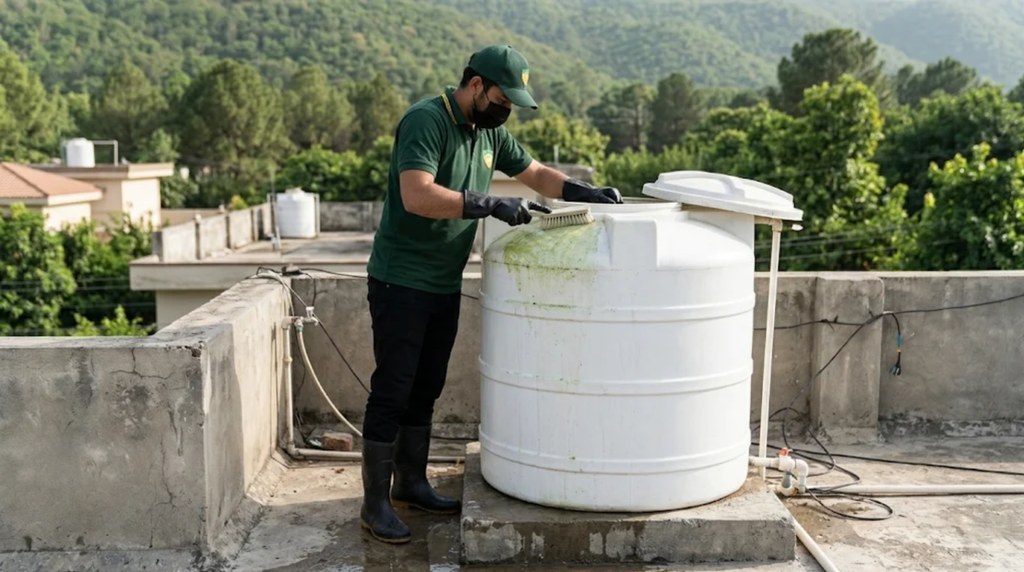
- Algae: grows quickly in overhead plastic tanks that sit in direct sun on the roof.
- Insects and small animals: enter through broken lids, open vents and gaps in underground tank covers.
- Rust and scale: forms around pipes, floats and fittings inside the tank.
Why Every 6 Months Is the Right Schedule
Six months is long enough for sediment and biofilm to build up again. Cleaning twice a year keeps the layer thin and the water safe.
Islamabad’s weather makes a twice-a-year routine practical. One cleaning before summer, around March or April, removes the winter sediment before heat speeds up algae and bacteria. The second cleaning after the monsoon, around September to November, clears the mud and debris that rain and heavy tanker use leave behind. Homes with small children, elderly family members or anyone with weak immunity should never stretch this gap. For hospitals, schools and restaurants, a shorter cycle is often better.
Signs Your Tank Needs Cleaning Now
Bad smell, cloudy or yellowish water, sand in taps and slimy fittings are clear signs. Do not wait for the six-month date if you notice them.
If water from the tap smells musty, looks cloudy after the tank refills, or leaves sand in the bucket, the tank needs attention. Green or black slime on the float valve, frequent stomach problems in the family, and stains on white sinks are other warning signs. A quick look under the tank lid usually confirms it. Searching for water tank cleaning near me is the right move at this point, not adding more chlorine tablets.
How Caretaker Cleans and Disinfects a Tank
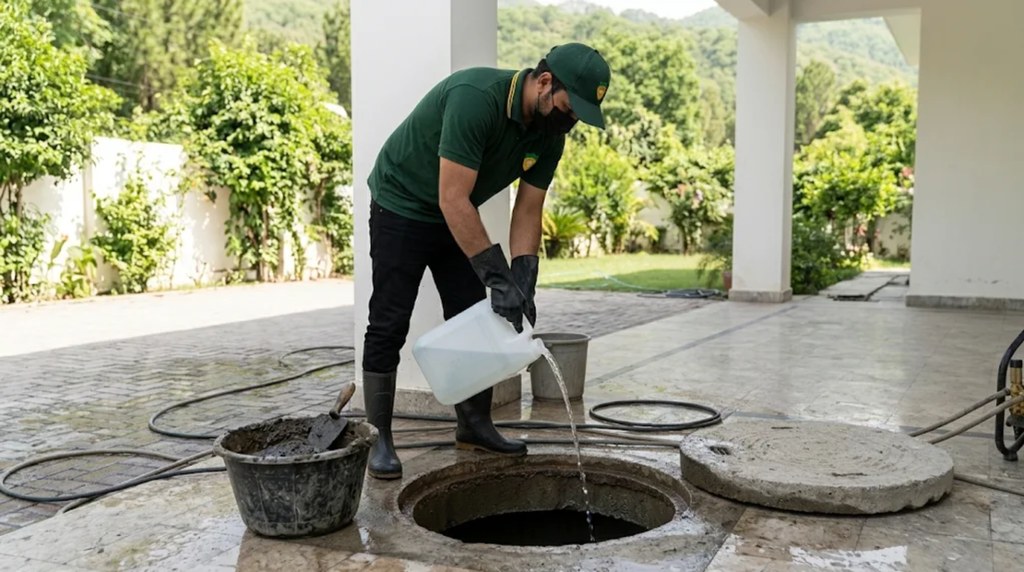
Our team drains the tank, removes sludge, scrubs and pressure-washes the walls, disinfects every surface, rinses and refills, then checks the lid and vents.
- Draining: the remaining water is pumped out safely.
- Sludge removal: settled mud and sand are taken out from the base.
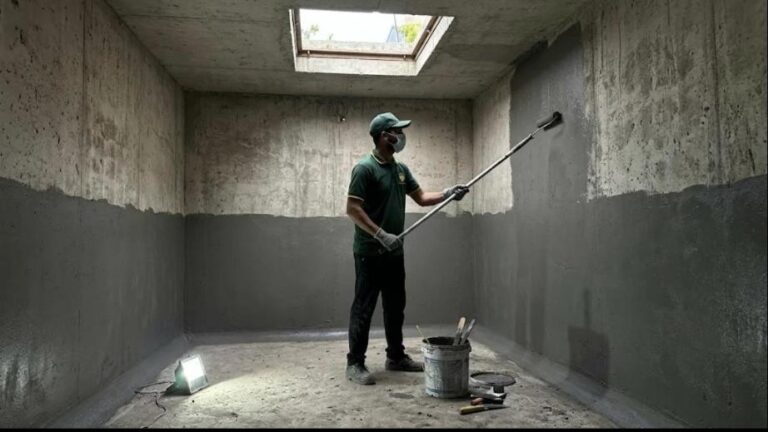
- Scrubbing and pressure washing: walls, floor and roof of the tank are scrubbed and washed to remove biofilm and algae.
- Disinfection: all inner surfaces are treated with a safe disinfectant solution.
- Rinsing and refilling: the tank is rinsed so no chemical smell remains, then refilled.
- Lid and vent check: we point out broken lids or open gaps so insects and dust cannot get in again.
This home water tank cleaning process covers both underground and overhead tanks. For plazas, factories and hospitals, we also offer industrial tank cleaning with larger equipment and scheduled visits.
Choosing a Tank Cleaning Service in Islamabad
Pick a trained team that disinfects, not just washes, uses safe chemicals and sends uniformed staff with proper equipment to your home.
A reliable tank cleaning service should explain every step, use a disinfectant safe for drinking water tanks, and leave the tank fully rinsed. Caretaker provides water tank cleaning services across Islamabad, Rawalpindi and Lahore. You can see details on our water tank cleaning services in Islamabad page, or read why water tank cleaning is important.
Frequently Asked Questions
1. How often should water tank cleaning in Islamabad be done?
Every six months for most homes: once before summer and once after the monsoon. Buildings with heavy use may need it more often.
2. How long does tank cleaning take?
A normal home with one underground and one overhead tank is usually done in two to four hours, depending on tank size and sludge.
3. Will we be without water during cleaning?
Only for a few hours. Store some water in buckets before the team arrives; the tank is refilled once tank cleaning is complete.
4. Is the disinfectant safe for drinking water tanks?
Yes. We use disinfectants made for water tanks and rinse the tank fully, so no taste or smell is left behind.
5. Do you clean plastic overhead tanks too?
Yes. Our service covers plastic, concrete and steel tanks, both on the roof and underground.
6. Do you provide water tank cleaning near me across Islamabad?
Yes. Our team serves the city sectors as well as DHA, Bahria Town, Gulberg Greens and nearby areas of Rawalpindi.
Book Water Tank Cleaning in Islamabad
Clean water starts with a clean tank. Caretaker’s trained team will clean, disinfect and inspect your underground and overhead tanks so your family gets safer water every day. Call us, message us on WhatsApp, or fill in the form to book a visit today.